
Personal Projects
Hunt’s Mustard
Mustard Done Best and Better For You

Why would someone choose a new mustard when they already have a favorite brand?
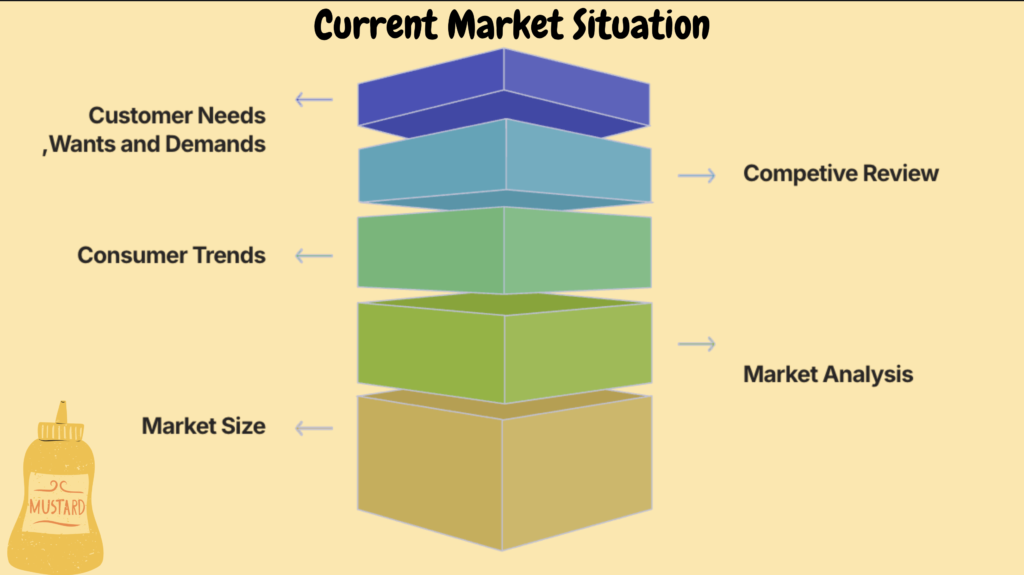
That question guided an Intro to Marketing project I completed with Selasi, Dylan, Stephen, and Josiah. We created a hypothetical marketing plan for Hunt’s Mustard, positioning it around familiar flavor and simple ingredients.
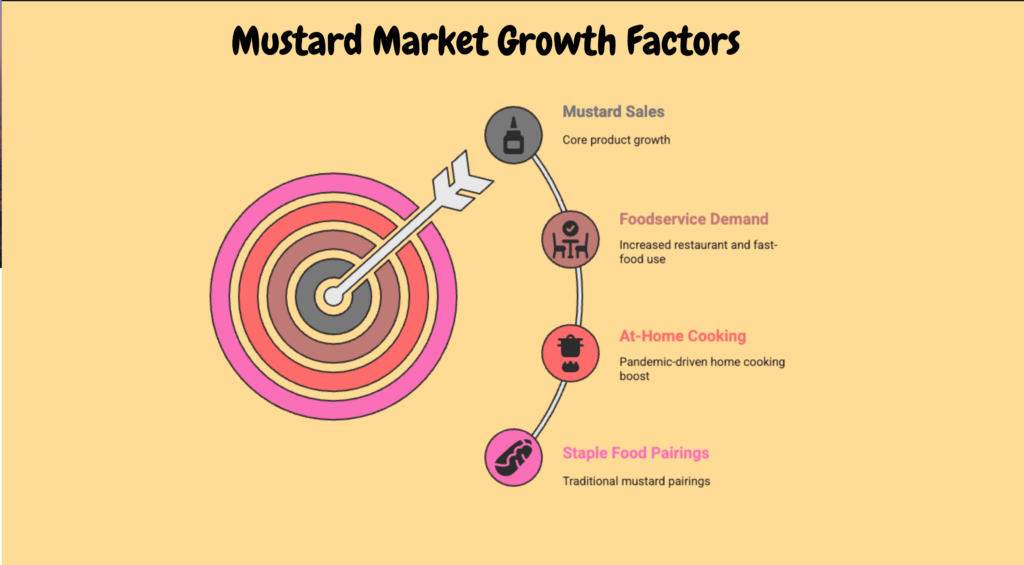
The project required us to connect research with decisions about the product, price, distribution, and promotion. It showed me how each part of a marketing plan needs to support the same customer.
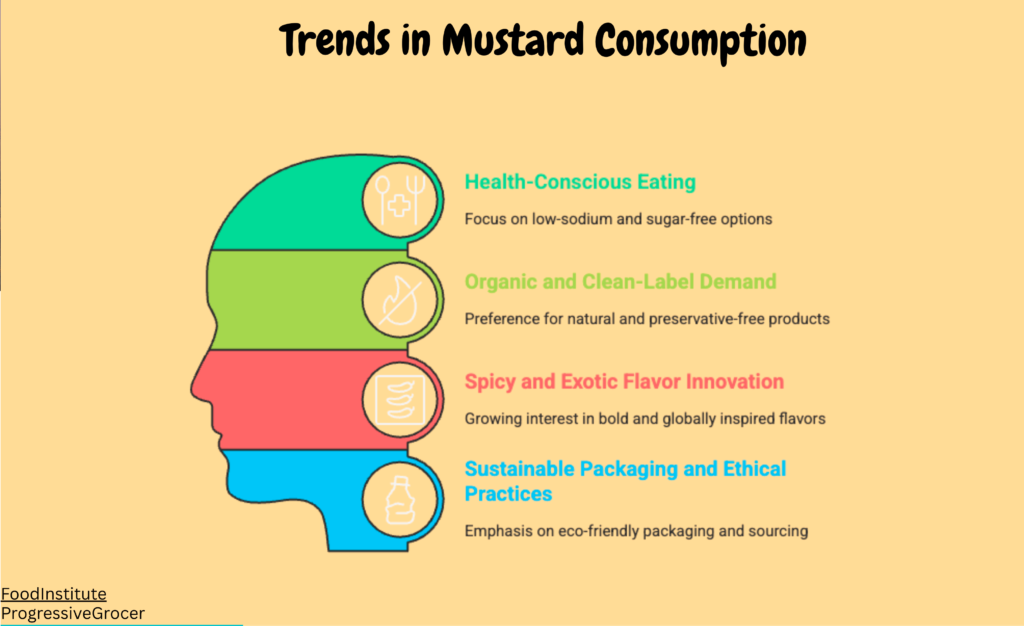
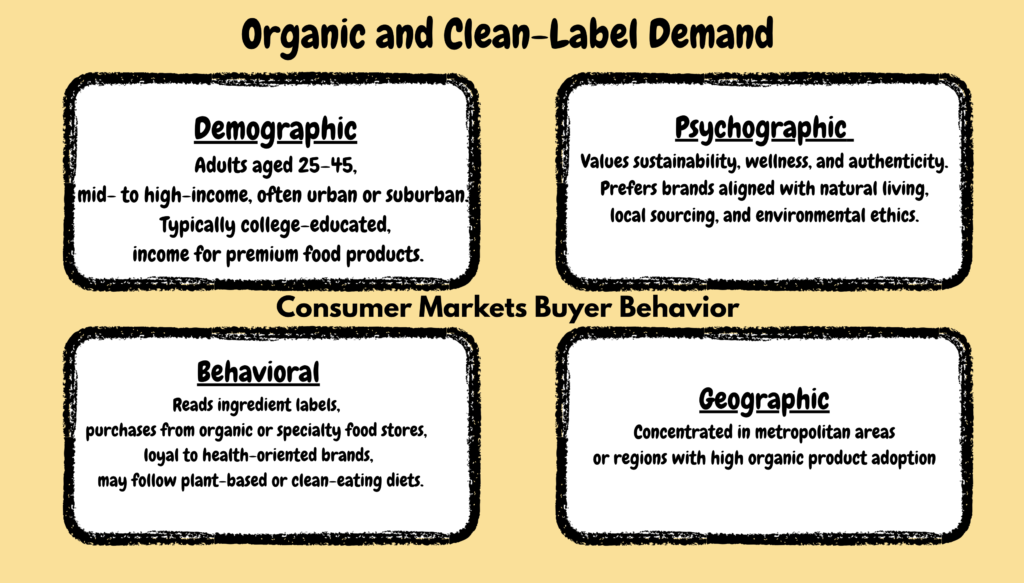
We began by exploring ingredient preferences, packaging, flavor variety, and common mustard use occasions. Our target profile focused on adults aged 25–45 who value ingredients and sustainability. This helped me understand segmentation: age alone tells us little, but shopping habits and label preferences give us more useful questions to investigate.
These assumptions would still need to be tested. Someone might prefer simple ingredients but choose a familiar brand because of taste or price. That possibility matters when deciding how strongly to emphasize each part of the positioning.
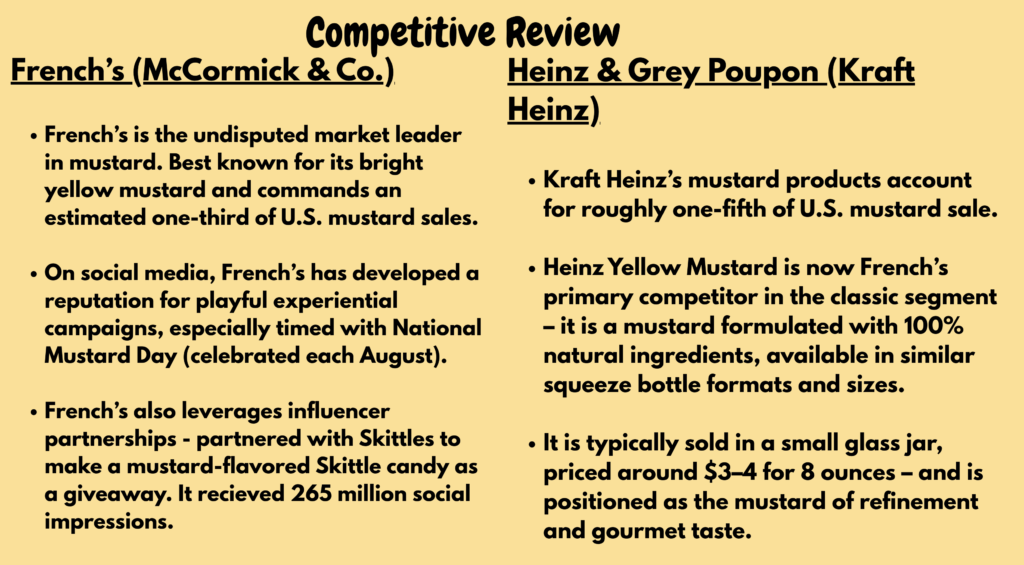
We compared Hunt’s with French’s, Heinz, and Grey Poupon. This raised a question about brand extension: would shoppers accept Hunt’s in a category associated with other brands? Hunt’s connection to tomato products could make that transition difficult.
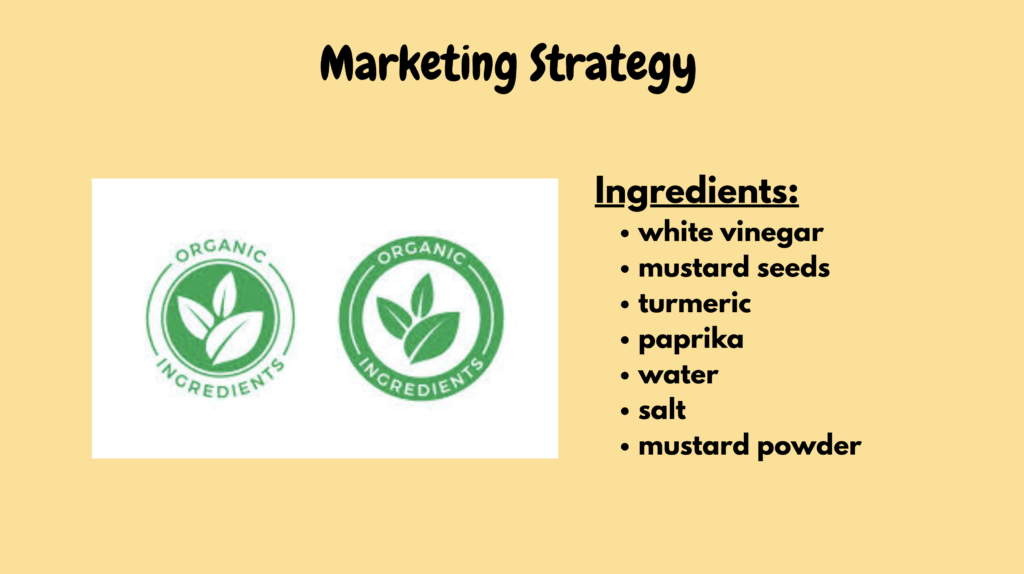
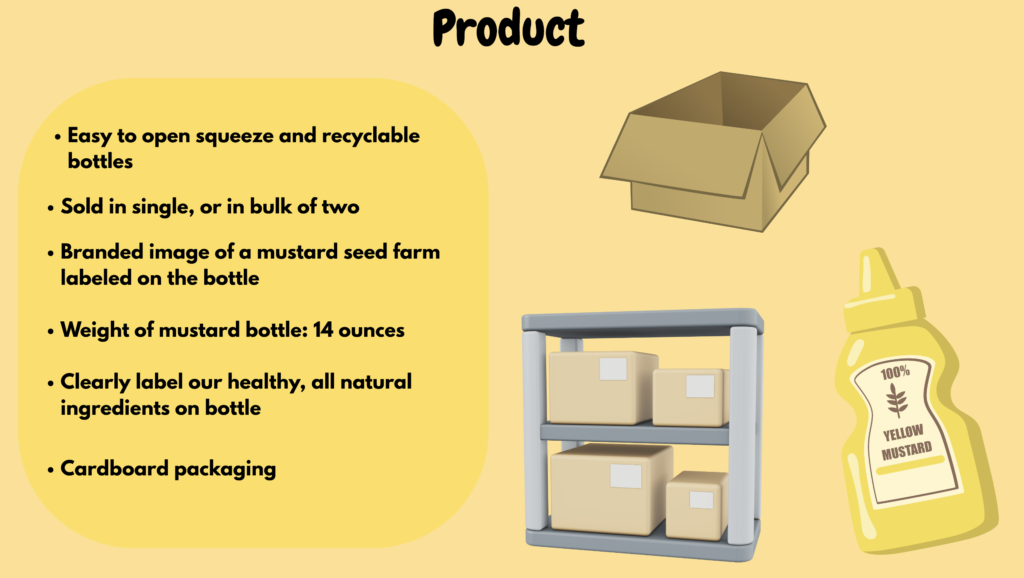
Our product decisions included a 14-ounce squeeze bottle, single bottles and two packs, clear ingredient labeling, recyclable packaging, and a mustard-seed-farm image. Together, these details supported convenience and an ingredient focused identity.
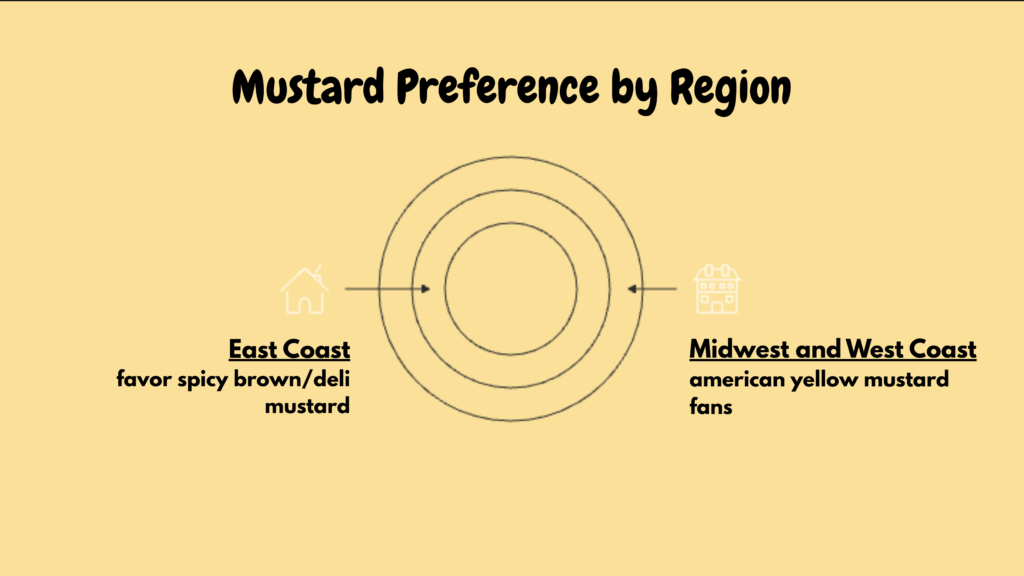
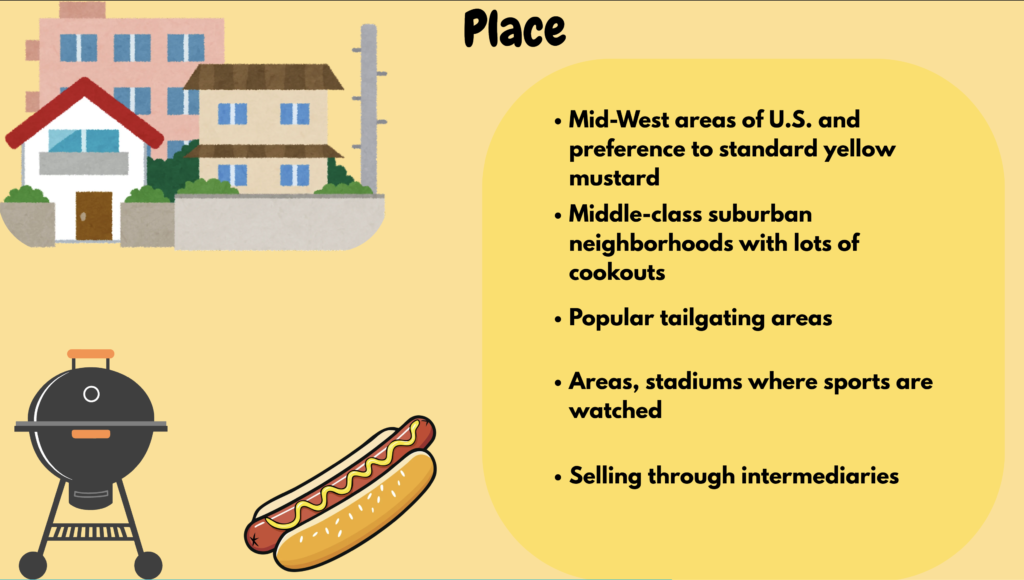
For distribution, we considered retailers and settings connected to cookouts, tailgating, and sporting events, especially in the Midwest and suburban communities. Looking back, I would first investigate which locations best matched our target shoppers before recommending a wider rollout.
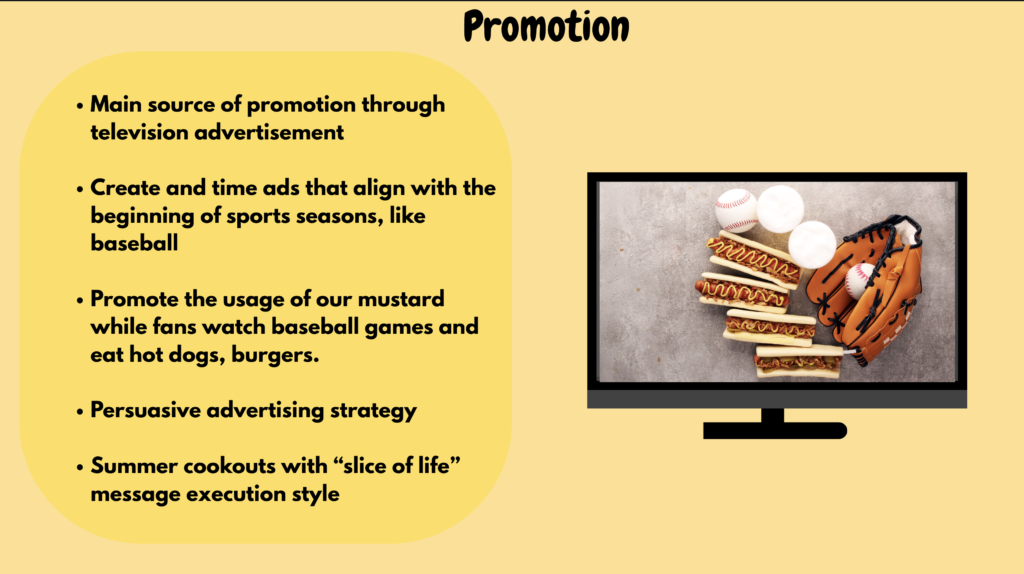
Our promotion strategy used television advertising during sports seasons, including baseball. The ads showed people enjoying hot dogs and burgers at games or summer cookouts. This “slice of life” approach made the product’s use easy to imagine.
However, the setting alone would not explain why shoppers should choose this mustard. The advertising would need to connect the cookout occasion with the product’s ingredient-focused benefit.
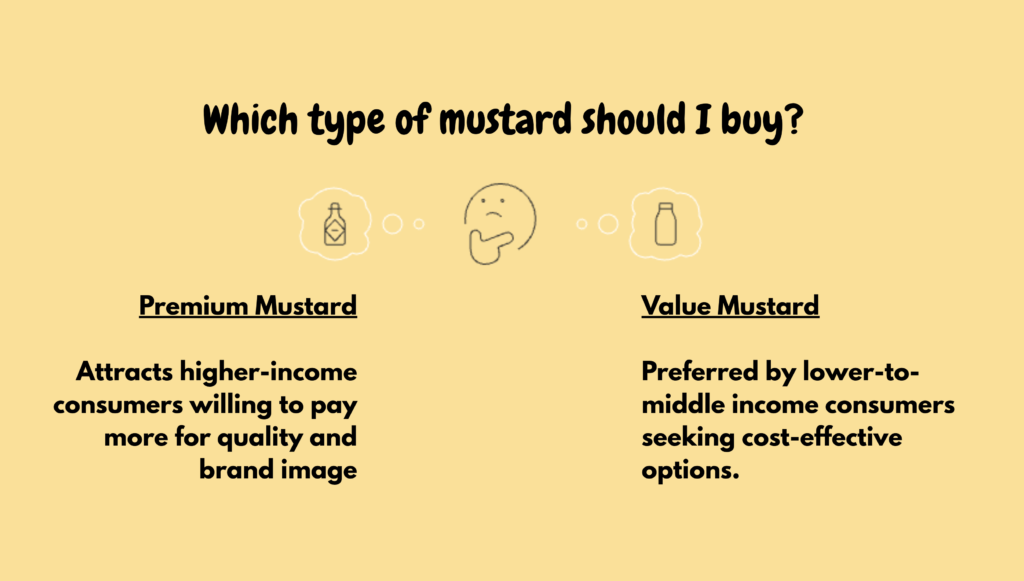
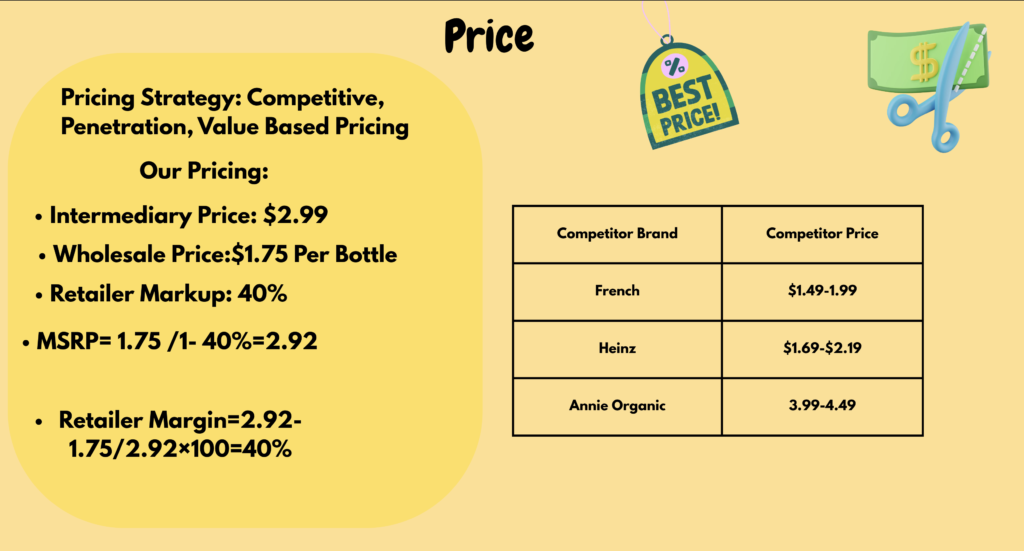
The pricing section considered competitor prices, wholesale pricing, and the retailer’s share. This helped me understand the difference between markup and margin while balancing shopper expectations with business needs.
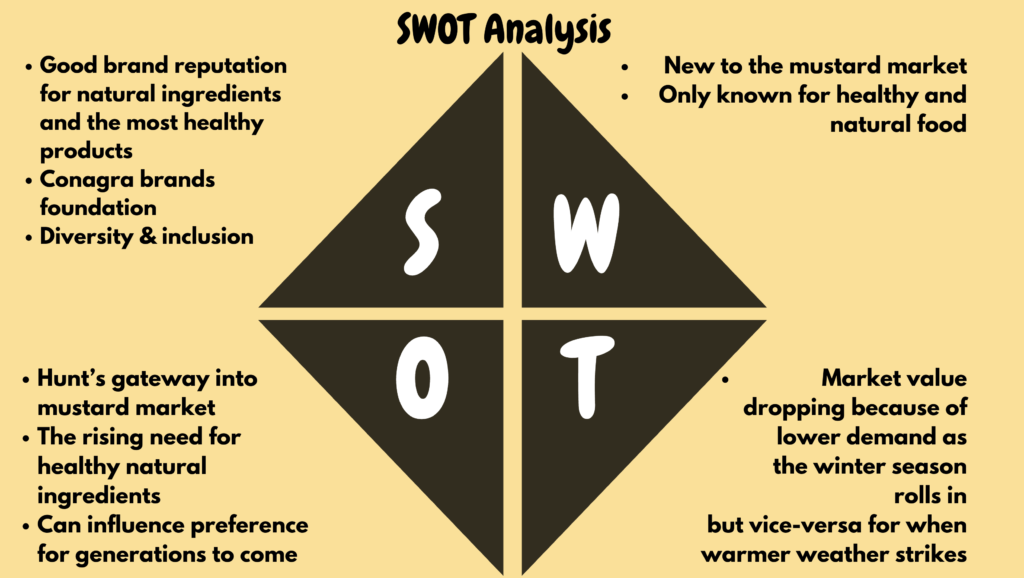
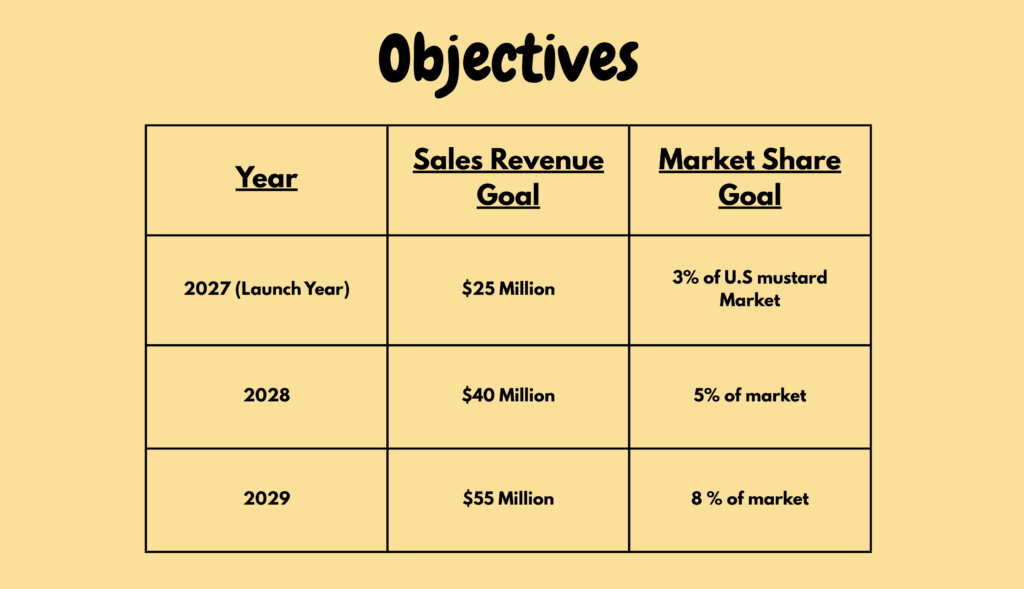
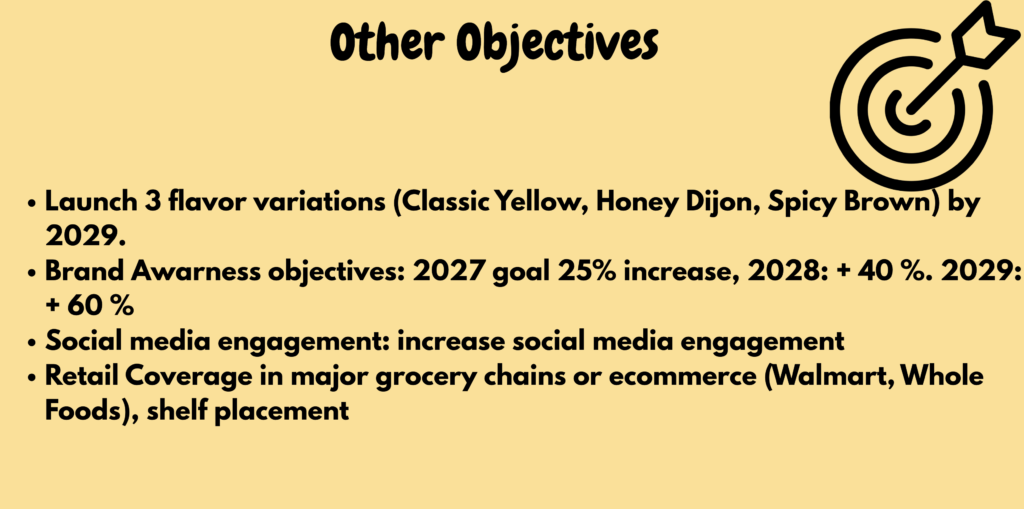
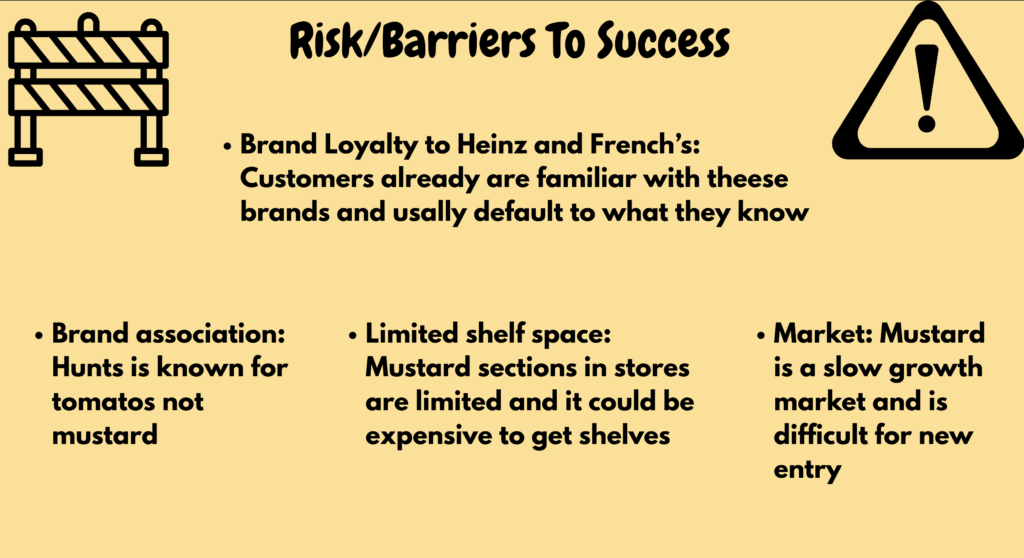
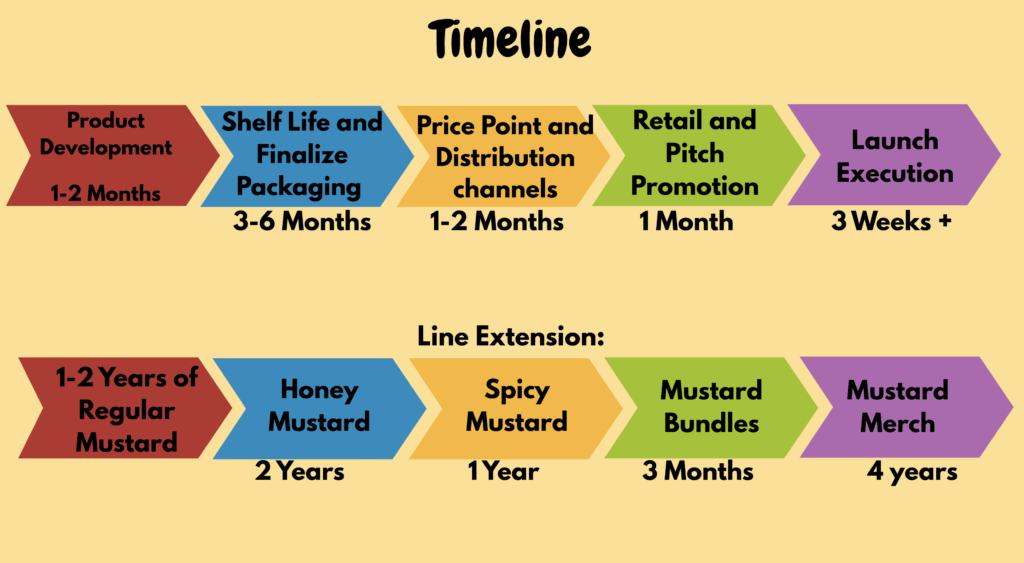
Our SWOT analysis highlighted customer loyalty, limited shelf space, and the challenge of introducing a new product. We also proposed revenue and market-share goals for 2027–2029, future flavors, and a launch timeline. These were classroom targets that would need to be tied to assumptions about distribution, unit sales, repeat purchases, and launch resources.
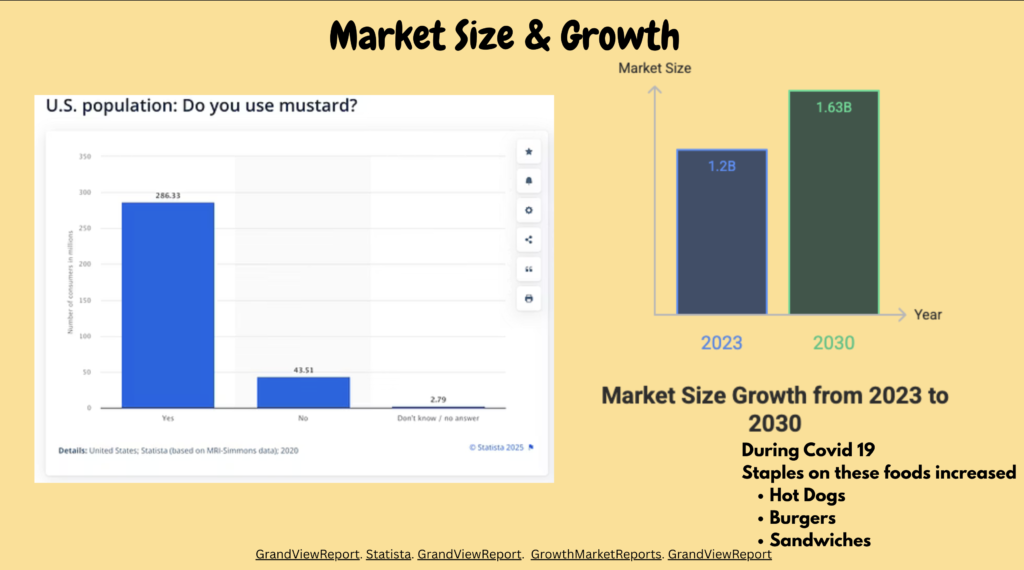
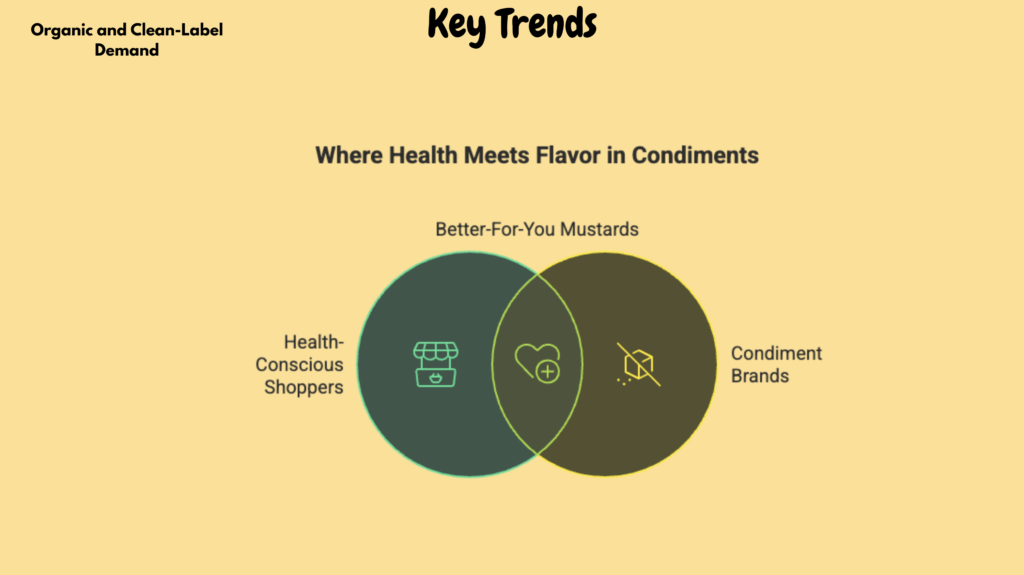
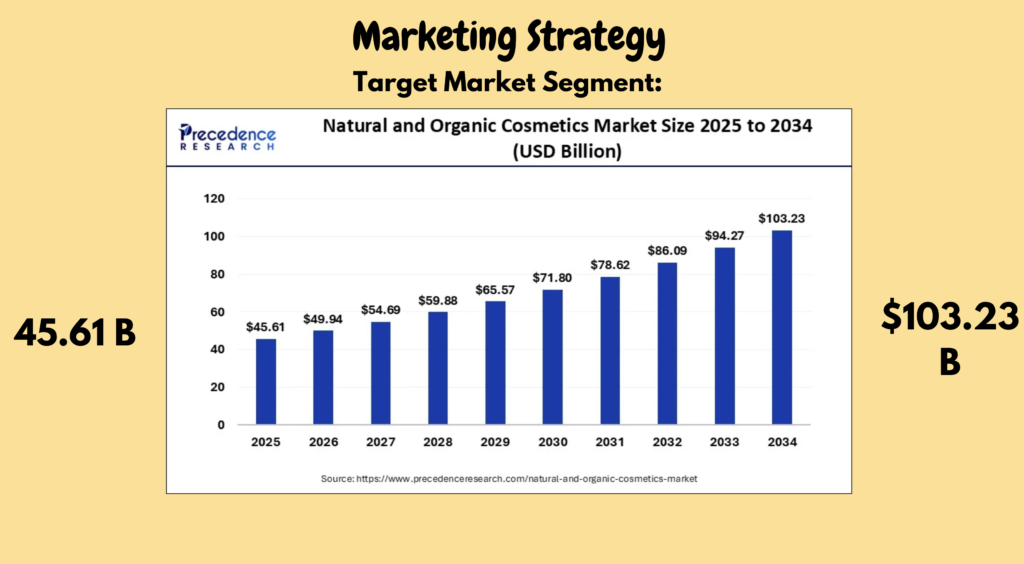
Reviewing the presentation also reminded me to check research carefully. One slide used a chart about the natural and organic cosmetics market, which did not establish demand for mustard. I would replace it with evidence about food shoppers and the relevant category. Research should answer the question behind each decision.
My main takeaway is that a marketing plan needs consistency. If the target customer values ingredients, that priority should appear in the product, packaging, message, price, and distribution.
This project helped me practice connecting recommendations to customer needs and evidence. As I continue developing my marketing skills, I want every decision to have a clear reason behind it.